700 animals, one broken promise, and the biggest rescue San Diego has ever seen
Doges Editorial · 2026-05-15 · 5 min read
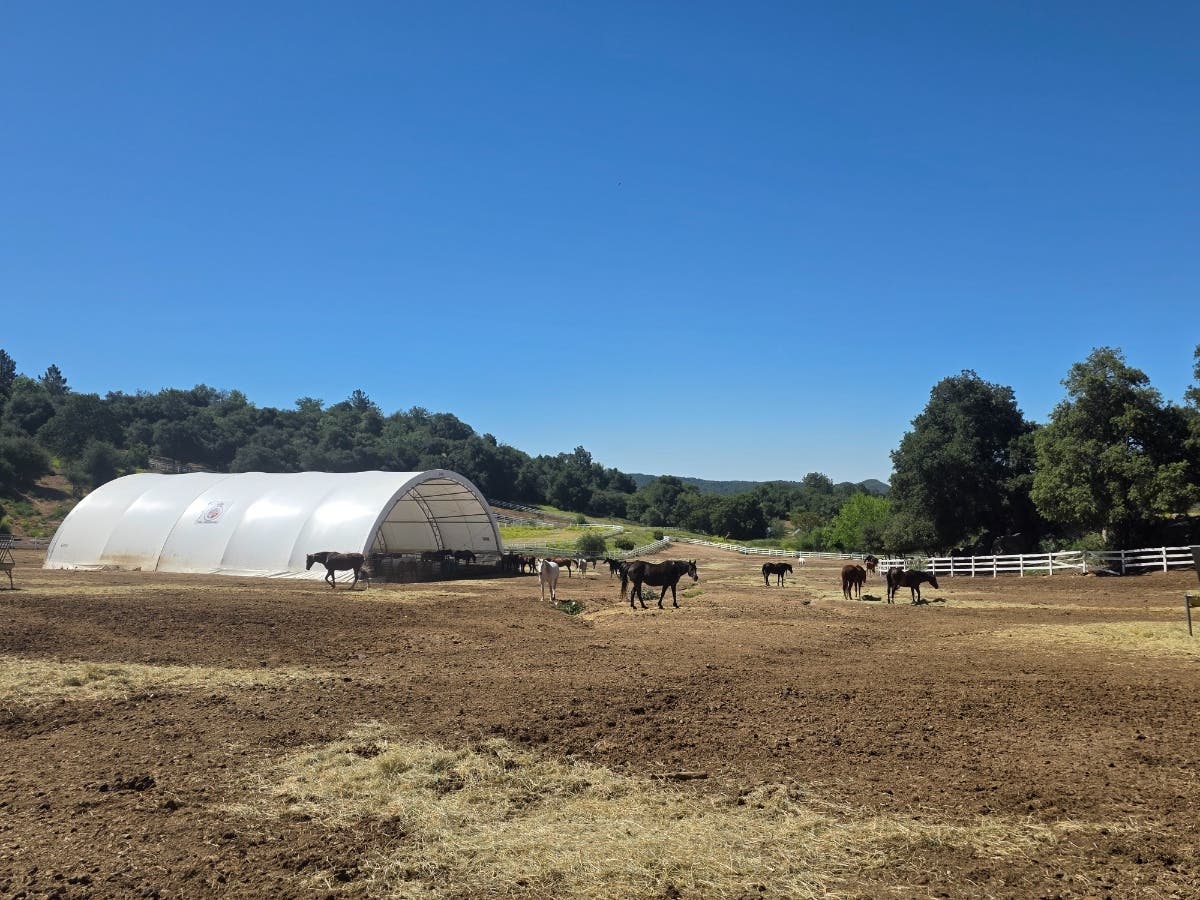
When investigators arrived at Villa Chardonnay in Julian, California on May 1, they found 446 cats crammed into two unbreathable rooms. What followed became the largest and most complex animal rescue in San Diego Humane Society history.
The investigators arrived at Villa Chardonnay on the morning of May 1st with a search warrant and a long list of concerns. What they found on the sprawling Julian, California property exceeded what the warrant had prepared them for. The San Diego Humane Society took over the case from San Diego County Animal Services a week earlier, after veterinary evidence documented emaciation, untreated injuries, and a complete absence of basic care.
The rescue operation that began that morning — reported by Patch San Diego and confirmed by San Diego Humane Society — has since become the largest and most complex in the organization's history. More than 700 animals were found alive on the property. Two weeks in, reunions are just beginning.
What was inside
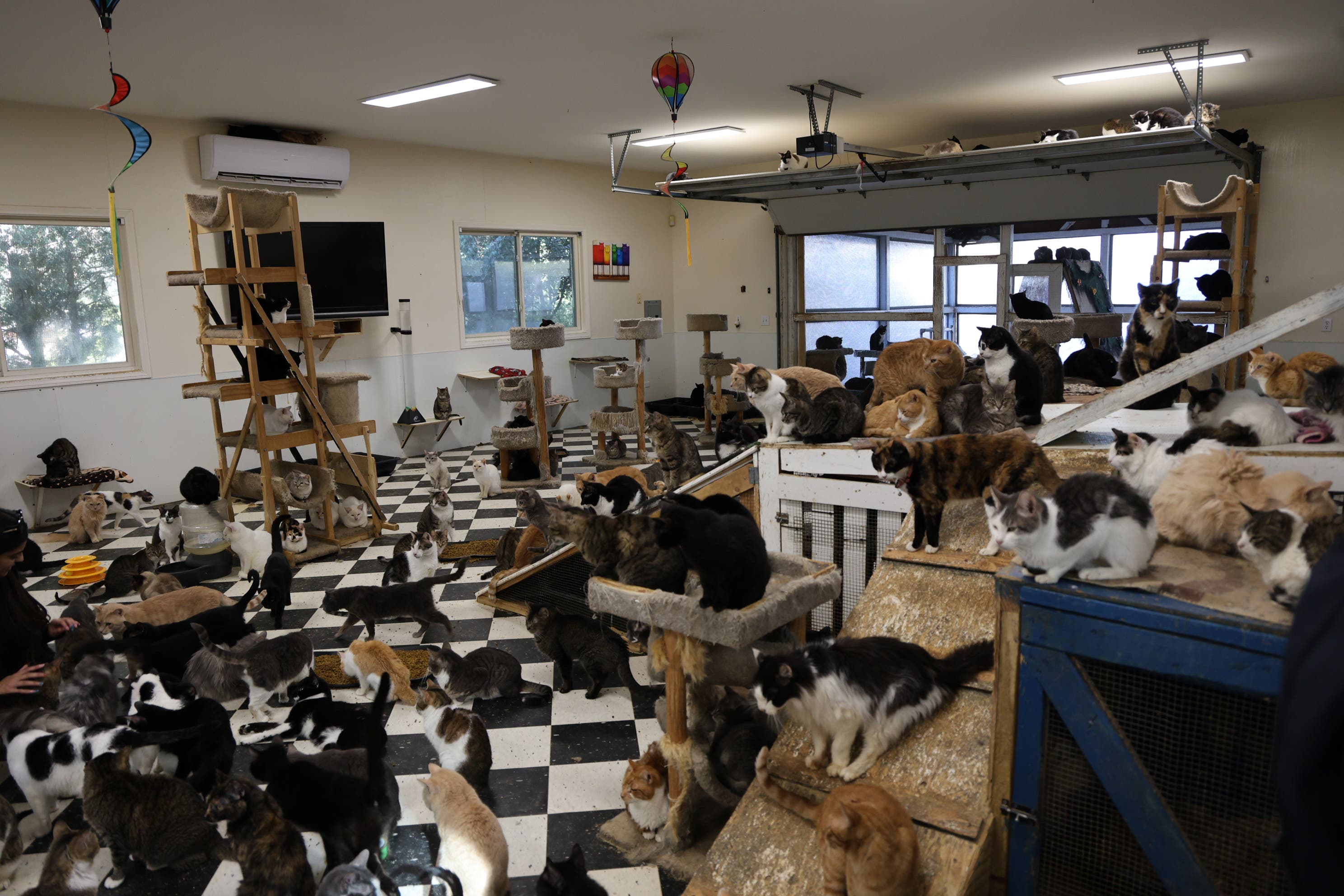
The conditions were catastrophic by any measure. Four hundred and forty-six cats were living in two small rooms. By the accounts of rescue workers on the scene, the air inside was unbreathable — thick with ammonia, waste, and the concentrated smell of that many living things in that small a space. Many of the cats were treated for malnutrition, emaciation, open wounds, and contagious infections including ringworm and giardia.
The organization's work is not glamorous in the way rescues are sometimes portrayed. Veterinarians in the field assessed horses too weakened to hold their own weight. Volunteers cleared kennels and administered fluids and filled out intake paperwork at the kind of scale that most shelters are never built to handle. San Diego Humane Society, already over capacity before May 1st, absorbed all of it.
The property also held 175 horses, 30 dogs, 30 chickens, and dozens of other animals. Some of the horses were too weak to stand without support. Staff and volunteers — 15 to 20 people on site every day, including a full-time veterinarian — began the work of medical triage for an animal population that would overwhelm almost any facility in the country.
A betrayal with a paper trail
Villa Chardonnay had presented itself to the public as a sanctuary — a place where animals could be safely surrendered or boarded. People brought their horses and dogs there trusting that the arrangement would hold. A bankruptcy court subsequently granted San Diego Humane Society ownership of all animals on the site, a legal step that allowed medical treatment and long-term care to begin immediately.
Gary Weitzman, President and CEO of San Diego Humane Society, described what happened in plain terms: "This was a massive betrayal of trust — to the animals and to the people who thought they were leaving them in a safe place." More than 100 people have submitted forms claiming they surrendered or boarded animals at Villa Chardonnay. Owner verification is ongoing, and the organization is working through each case individually.
This was a massive betrayal of trust — to the animals and to the people who thought they were leaving them in a safe place.
— Gary Weitzman, President and CEO, San Diego Humane Society
Reunions, one animal at a time
As of May 11, one dog, one cat, and six horses had been returned to their original owners. The numbers are small relative to the scale of the operation, but the reunions themselves have been extraordinary.
Among them: Honey, a senior dog who is now missing a front leg and managing multiple medical issues. Her original owner drove from Murrieta when Honey's microchip was traced back to her. Honey had been rehomed once after her first owner, then surrendered to Villa Chardonnay with the expectation that she would be cared for.
And Chance — a horse whose owner, Kristina, had not seen her in nine years. When Chance was brought out to meet her, Kristina stood in the field in Julian and processed the fact that she was actually looking at her horse again.
It has been an absolute whirlwind trying to get reunited with Chance. I never honestly expected that this was going to happen nine years later, but I am so excited for her to finally get to retire in pasture with me at my home in Paso Robles. She's just going to live the best retired life ever.
— Kristina, owner of Chance the horse
Better than Walt Disney
Weitzman watched the early reunions unfold from the field. He reached for an unexpected image to describe what he saw: "To have people reunited with their animals after everything they've been through… it's better than anything Walt Disney could create." It's the kind of quote that sounds almost absurdly upbeat given the context — the broken trust, the unbreathable rooms, the 700 animals still waiting — but it's also accurate. There is no choreography for a nine-year reunion. No one scripted the moment when Kristina saw Chance.
The San Diego Humane Society says its shelters are now over capacity because of the rescue. The organization is asking the public for adoptions, fostering, donations, and volunteer time. The sanctuary owner is currently in bankruptcy proceedings; a district attorney will determine whether charges will be filed once the investigation concludes.
The people still waiting
For most of the more than 100 people who submitted claims, the reunion hasn't happened yet. Owner verification takes time, especially when animals are in poor health or identifiable features have changed. Some people surrendered animals years ago and may not recognize them in their current condition. Some animals may not survive long enough for their owners to find them.
Every dog in that operation was somebody's dog at some point — surrendered, perhaps, with the belief that the place they were going was better than what they had. That belief turned out to be wrong. The rescue team that arrived on May 1st is now trying to be the answer to that wrong, one medical exam, one microchip scan, one phone call at a time.
The daily walk, the routine of feeding and care, the reliable presence of an animal who depends entirely on you — those things feel ordinary when they're happening. They're not ordinary. Honey is missing a leg and had a long drive home from the vet. Chance is going to a pasture in Paso Robles. And somewhere in Julian, 15 to 20 people are still showing up every morning to make sure the animals that made it this far keep going.