Your pandemic puppy is hitting middle age — and most of us aren't ready
Doges Editorial · 2026-05-12 · 5 min read
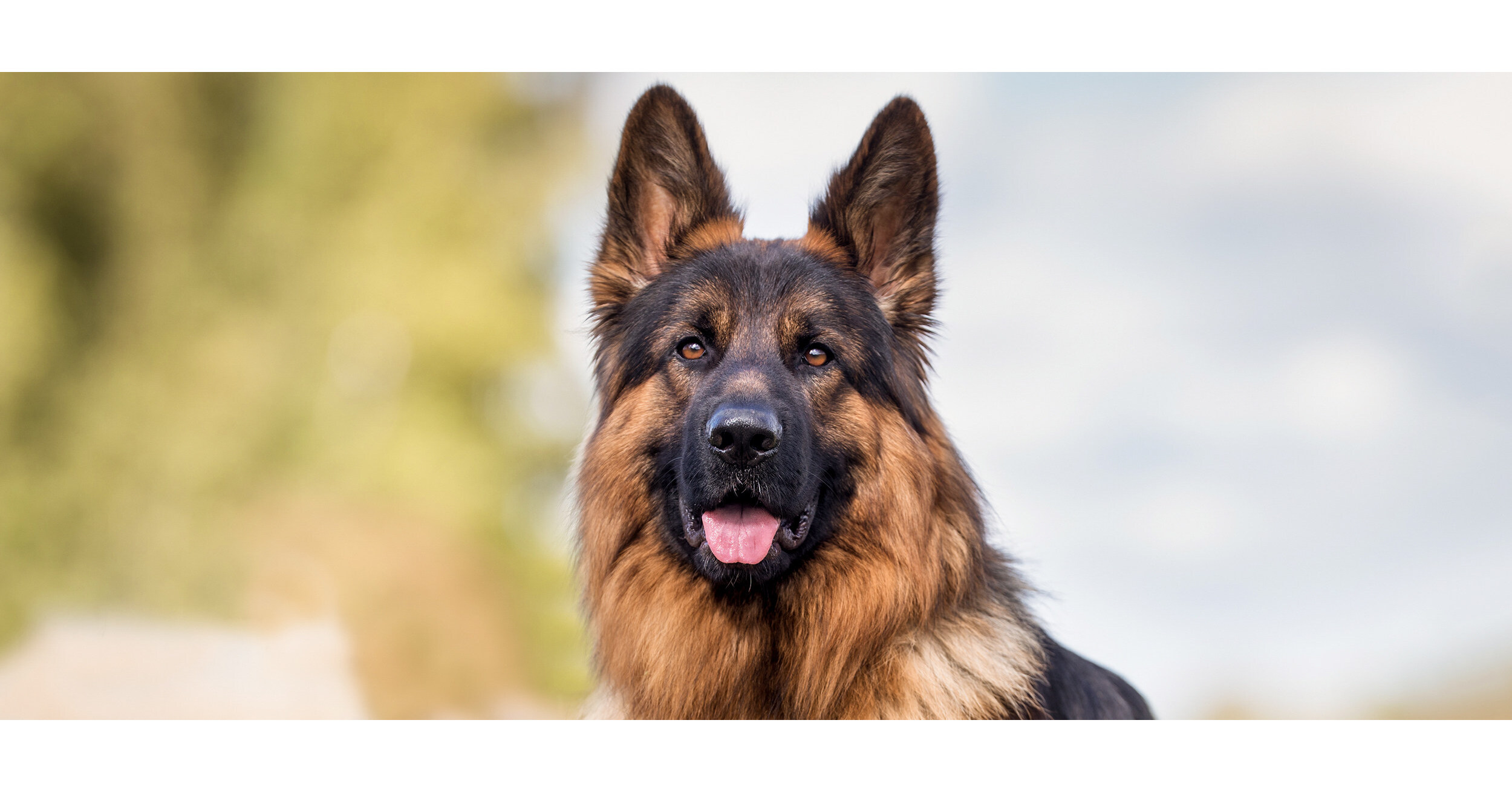
The dogs adopted during the COVID lockdowns are turning six this year. Veterinary science calls this midlife — a critical window for long-term health. A global survey of 19,000 owners reveals most of us are looking the other way.
Six years ago, during the quietest spring most of us can remember, millions of people got a dog. Shelters emptied. Adoption waitlists stretched for months. Breeders had two-year backorders. The pandemic had rearranged life so completely that suddenly, finally, there was time — time to train a puppy, time to walk twice a day, time to just be home. Those dogs are turning six this year. In veterinary science, that is officially middle age. And a global survey released today, commissioned by Royal Canin and conducted by research firm Censuswide across 19,012 dog and cat owners in 18 countries, suggests that most of us have no idea what that means — or what to do about it.
The moment most owners miss
Scientists now describe a concept called 'healthspan' — the period of a pet's life spent in good health before the onset of chronic disease and disability. The research suggests that midlife, typically around six to seven years for dogs, is when biological changes associated with aging begin at the cellular level, often well before anything shows on the surface. Energy levels shift subtly. Mobility changes in small ways. The body is already adapting in ways that nutrition, exercise, and early monitoring can meaningfully influence — if the owner is paying attention.
Veterinary experts presenting at the Royal Canin Veterinary Symposium 2026 emphasized this timing. While midlife dogs often appear healthy and active, early biological changes can take hold years before visible symptoms appear. The window, they argue, is precisely when intervention is most effective — and most often missed.
What 19,000 owners revealed
The survey included respondents from the United States, the United Kingdom, France, Germany, Japan, Brazil, and more than a dozen other countries, making it one of the largest pet-owner surveys on this topic to date. Sixty-six percent of respondents said they feel upset at the thought of their pet getting older. Fifty-five percent said they avoid thinking or talking about it because the topic feels too sad. And yet — 44 percent admitted they only start thinking about aging at all when health problems actually appear.
The birthday paradox
Here is the contradiction at the heart of the survey. Seventy-four percent of respondents said they buy gifts for their pet's birthday, and nearly a third said they spend more on those gifts than they spend on their children's. These are people who love their animals with great intensity, who mark the years and celebrate. And yet they are not connecting that celebration to the act of looking ahead — to what the next few years of their dog's biology are going to require.
Thirty-one percent said they delay action because their pet 'seems fine.' Twenty-five percent were unaware that health risks such as diabetes increase as dogs age. And 38 percent believed — flatly — that nothing can be done about aging anyway. That last figure is the one veterinary researchers are pushing back on most forcefully. Aging, they say, is not fixed. How pets age is increasingly understood to be shaped by factors within the owner's control.
What changes before you can see it
New scientific research presented at the symposium makes clear that aging is a gradual process that begins far earlier than most owners expect. Subtle physiological changes — reduced energy, slightly decreased mobility, early shifts in metabolic function — can occur years before a dog seems visibly slow or unwell. By the time symptoms are obvious, opportunities for early intervention may already have passed.
We now understand that our pet's ageing begins much earlier than many of us expect, often during midlife when cats and dogs still seem healthy and full of energy. This stage offers a valuable opportunity to take simple, proactive steps that can support long-term wellbeing.
— Dr. Tanya Schoeman, Veterinary Specialist Physician
What to do about it
The practical advice that emerged from the symposium is not dramatic. It does not require expensive procedures or special equipment. It means scheduling more frequent vet check-ups rather than waiting for symptoms. It means talking to your veterinarian specifically about what healthy aging looks like for your dog's breed and size. It means paying attention to small changes — a slightly shorter walk, a meal left half-finished, a stiffness that wasn't there last month — rather than filing them under 'just getting older.'
As both a veterinarian and a pet owner, I see how easy it is to focus on the present when our pets appear well and the thought of them ageing can be distressing. But by starting conversations and health checks earlier and paying attention to small changes, we can help support not just longer lives, but healthier and better quality of life for our pets as they grow older.
— Dr. Tanya Schoeman, Veterinary Specialist Physician
The walk that tells you everything
Dog owners are already doing something that doubles as excellent early detection. The daily walk is, among other things, a baseline. You know how your dog moves through the world — what corners she stops to investigate, how long the uphill stretch takes, whether she's still pulling by the time you reach the park or already looking for somewhere to rest. Middle age often announces itself quietly, in exactly those kinds of details. A six-year-old dog who still charges down the front steps is telling you something. So is one who hesitates at the top.
The pandemic dogs are six now. They grew up alongside us in strange, compressed years — logging miles of apartment hallway, graduating to neighborhood loops, eventually making it to the park. They are not old. But they are no longer young in the way they were. The survey suggests many of us find that a difficult thing to hold. The good news is that the window for action is still open — and wide. Middle age is not a crisis; it's a checkpoint. A chance to rethink the walk, revisit the food bowl, and have the conversation with a vet that most of us have been too sad to start. The dog we got when the world stopped is still here, still bounding toward the leash, still making the morning meaningful. That's worth taking seriously.