Nearly half of dog owners would end a relationship their dog didn't like — and the science says that instinct runs deep
Doges Editorial · 2026-05-21 · 5 min read
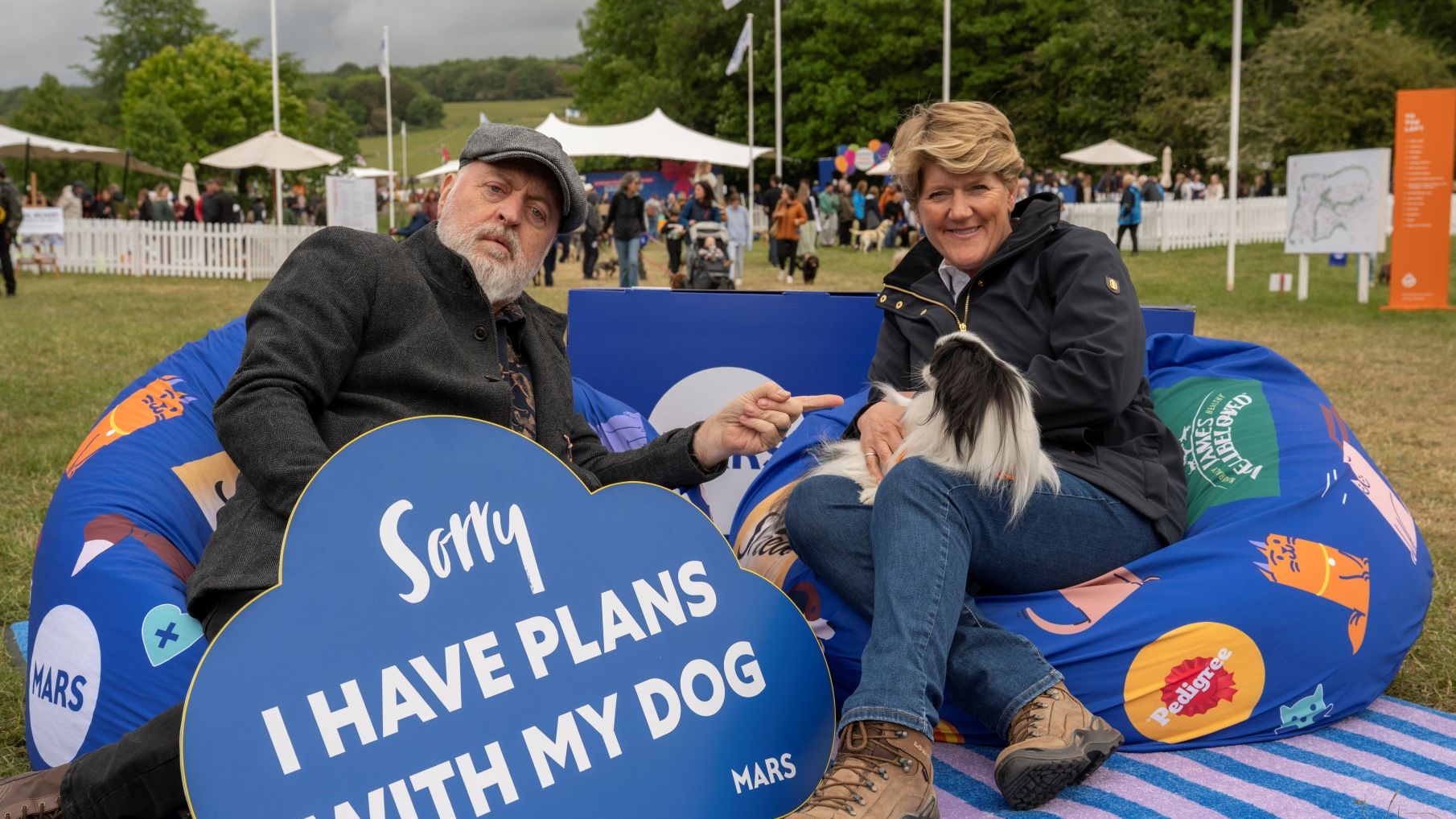
A new Mars survey of 2,000 UK pet owners finds that 48% would consider ending a relationship their dog didn't approve of. Behind the headline number, a much larger body of research is quietly confirming what dog people already sensed: the bond they've built goes deeper than companionship.
Start with the number: 48%. That is the share of UK pet owners — in a survey of 2,000 people conducted by Opinium on behalf of Mars, published May 18, 2026 — who said they would consider ending a romantic relationship if their pet didn't approve of their partner. Nearly half. Not a fringe position. Not an outlier group. Half.
The finding is part of a larger data release from Mars tied to Goodwoof, the annual dog festival held at the Goodwood Estate in West Sussex. But the number sits in a context that's worth taking seriously, because a separate research program — PAWS, the Pets and Wellbeing Study, described as the world's largest study of cats and dogs and their impact on human mental health — is building a case that the instinct behind that 48% is not irrational at all.
The Dog as Character Reference
Dogs read the world differently from us. They pick up on things we intellectualize away: the micro-tension in a voice, the way a body holds itself when it's performing ease rather than feeling it. Dog owners have known this informally for decades — the dog who never warmed to the ex who turned out to be a problem, the dog who settled immediately beside the friend who turned out to be one of the good ones.
The survey put a number to that intuition: 35% of UK pet owners trust their pet's judgment of other people more than their own. Among Gen Z, that figure rises. And according to Dr. Tammie King, an animal behaviour scientist at the Waltham Petcare Science Institute, the trust may be warranted.
Pets can be surprisingly good judges of character. Paying attention to their behaviour and body language can tell owners a lot about what makes their pet feel comfortable, safe and at ease.
— Dr. Tammie King, Animal Behaviour Scientist, Waltham Petcare Science Institute
Gen Z Has Already Made Up Its Mind
The generational split in the data is striking. Among Gen Z pet owners, 27% regularly confide in their pet about their love life — almost twice the UK average of 16%. Nearly one in five have prioritized time with their pet over going on a date. And 35% trust their dog or cat's read on people more than they trust their own first impression.
Across all age groups, the commitments are real. More than half of respondents (53%) have willingly given up their spot on the sofa for their pet. Thirty-one percent confide in their pet — sharing gossip, secrets, relationship updates. Fifty-two percent cancel plans at least once a week to spend time with their animal. A quarter of all respondents said their pet is simply their favourite member of the household.
These are not trivial preferences. They're evidence of how central dogs — and cats — have become to the emotional architecture of daily life. The pet used to be a peripheral figure in the household. These numbers suggest it has moved to the center.
The Science Behind the Instinct
The PAWS research — which Mars launched in 2025 in collaboration with the mental health charity CALM — offers context for why these preferences feel so natural to the people who hold them. Eighty-three percent of owners say their pet has a positive impact on their mental wellbeing. Eighty-four percent find the simple presence of their animal relaxing.
The stress data is particularly revealing: 58% of owners say they would rather spend time with their pet when they're stressed than with their partner. Fifty-six percent say their pet provides comfort through quiet companionship during difficult moments — not through solving anything, not through offering advice, but through being there. That specific quality — presence without demand — turns out to be exactly what a stressed nervous system needs.
The implication isn't that dogs replace human connection. It's that they do something different from human connection, something that fills a particular gap. The dog doesn't require you to explain yourself. It doesn't need reassurance in return. It just stays.
Routine as a Love Language
Among the festival confessions gathered at Goodwoof, one pattern kept surfacing: owners canceling plans not because they were tired, but because they didn't want to disrupt their dog's routine. The morning walk. The 6 p.m. dinner. The particular hour when someone comes home and the dog expects them.
Dogs and cats are highly attuned to familiarity and consistency. They need adequate physical and mental stimulation to support their wellbeing. Maintaining regular patterns — from walks, play time and rest — can help maintain pet health and happiness.
— Dr. Tammie King, Animal Behaviour Scientist, Waltham Petcare Science Institute
The daily walk, in this framing, is not just exercise. It is one of the primary ways a dog experiences the reliability of its world. Same route, same time, same smells on the corner — or a variation that still involves the person and the movement and the sense that the day is unfolding as it should. For the dog, this is how love is mostly communicated: not in grand gestures, but in the Tuesday morning walk being real.
Goodwoof and the Year of the Rescue
This year's Goodwoof festival — where the survey data was first shared publicly, with celebrity dog owners including Bill Bailey and Clare Balding among those making confessions — was themed around rescue. Mars partnered with Battersea, the UK's oldest animal welfare charity, with a £5 donation made for every confession shared at the festival, up to £10,000.
We've always known that people love their pets, but this research shows they are now central to our lives in ways we've never seen before. They're our confidantes, our support systems, and, it seems, our most trusted relationship advisors.
— Nick Foster, General Manager, Mars Pet Nutrition North Europe
The "Year of the Rescue" framing matters because a lot of what the survey describes — the depth of attachment, the preference for a pet's company, the trust placed in an animal's social instincts — is something rescue dogs build with their owners especially fiercely. They came from somewhere harder. The reliability of this person, this home, this walk: they feel it with a particular intensity.
Which gets back to that 48%. It is not, on reflection, a surprising number at all. Anyone who has watched a dog watch a person — really watched, the way dogs do, taking in something no one else in the room is processing — might have always suspected the dog's judgment was worth something. Now there is a survey of 2,000 people who seem to have concluded the same thing.