Mama waited fifteen years in a Texas shelter, then the country came looking
Doges Editorial · 2026-05-25 · 5 min read
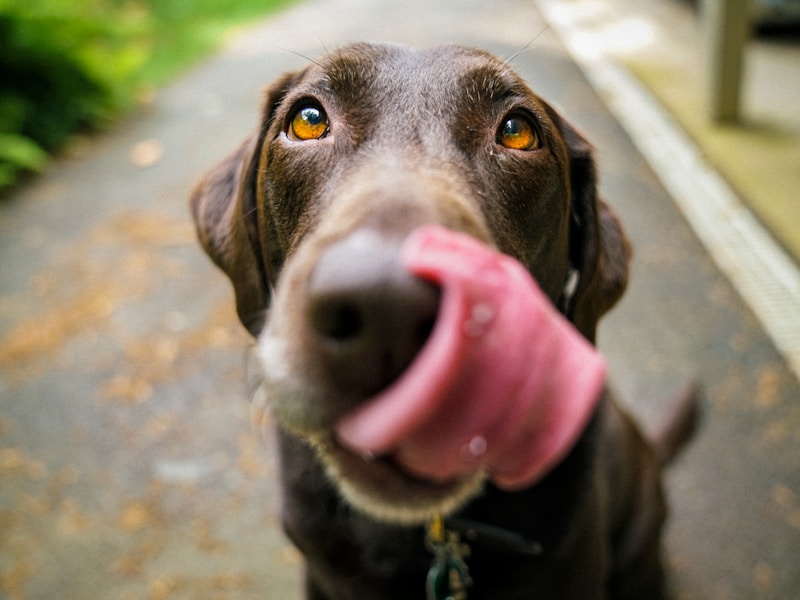
A dog named Mama had spent most of her life at the same Texas shelter. When a viral video brought her story to millions, the search for her perfect home turned into something nobody expected.
Picture the middle of a shelter kennel row. Dogs at the front jump and bark and press their noses through the chain-link, doing everything a dog can do to say pick me, pick me. And then, a few kennels back, there is Mama. She has been here since 2010. She has watched the front-of-kennel dogs come and go — adopted, transferred, moved on. She watches the feet walking past. She has stopped jumping.
Mama is a mixed-breed dog, estimated to be around fifteen years old, who spent the better part of her life at the Young County Animal Shelter in Graham, Texas. She had a litter of puppies at around age nine. Every one of them was adopted. She stayed.
A promise made after a loss
Kris Rotonda founded Jordan's Way after losing his dog Jordan. It's a rescue organization with a specific and relentless mission: to visit shelters across the United States and film the dogs who have been there the longest, the ones most likely to be overlooked. Not the puppies. Not the photogenic young dogs in the front kennels. The ones in the back.
There was one dog in the back of a shelter. This is where Jordan's Way began.
When Rotonda's team visited the Young County shelter and filmed Mama — calm, quiet, clearly the longest-tenured resident anyone there could remember — the video went somewhere unexpected. It spread. Millions of people watched an old dog sitting peacefully in a kennel she had occupied for fifteen years, and something in them responded to it.
The dog at the back of the kennel
The challenge with senior shelter dogs isn't that people don't love them. It's that adopting a senior dog requires a specific kind of courage. You're not signing up for a decade of companionship. You're signing up for however long she has left — which might be a year, or three, or more, but almost certainly less than a younger dog. You're choosing to love something you know you'll lose sooner.
Mama had also spent so long in a shelter environment that her behavior there wasn't representative of who she actually was. Shelters are loud, stressful, and disorienting. A dog who seems flat or disengaged behind chain-link may transform entirely once she's in a quiet house with a couch and someone who comes home every evening. Shelter workers know this. Most adopters never get to see it.
Why senior dogs wait
Mama's story caught the attention of Duane Chapman — known to television audiences as Dog the Bounty Hunter — who committed to helping find her a home. What followed, by Chapman's own description, was one of the most exhausting searches of his career. Not because Mama was hard to place in theory, but because finding exactly the right match for a fifteen-year-old dog who'd spent her life in a shelter required a kind of thoroughness that couldn't be rushed.
We found her. Thirty days, dead ends, no sleep — one of the hardest hunts I've ever taken.
The search generated more than 15,000 applications. People from across the country and beyond offered their homes. Families with experience with senior dogs. People who had recently lost elderly dogs and felt ready again. People who had never had a dog but felt something when they saw her face in that kennel video. The volume was extraordinary — and also, in a way, exactly the point.
Something shifted
What Mama's story did — what it seems to keep doing when it surfaces, even now — is make visible something that shelter workers and rescue volunteers have always known: the dog who doesn't demand your attention is often the one who has been waiting the longest. She's learned not to. She's adapted to being overlooked. She's sitting quietly in the back, and she will keep sitting there until someone decides to walk past the front kennels and find her.
The dog who doesn't demand your attention might be the one who needs you most.
The viral attention brought something else, too: a renewed conversation about what shelters need from the public. Not just adopters, but fosters — people who can give a senior dog a temporary home while a permanent placement is arranged. Fosters, rescue workers say, are often the difference between a long-wait dog surviving and not.
Going home at last
On April 30, after fifteen years in the Young County shelter, Mama was adopted. The details of her new home have been kept private, which feels right — she's had enough cameras and enough public attention. What she needed, and finally has, is a couch, and quiet, and someone who will be there in the morning.
She won't know what the internet did on her behalf. She won't know about the 15,000 applications or the thirty days of searching or the millions of views. She'll know the texture of a floor that isn't concrete. She'll know what it is to sleep without the sound of a kennel around her.
If Mama's story moves you to do something, the most useful thing isn't to share the video again. It's to call your local shelter and ask who has been there the longest. Ask to meet the dog in the back kennel who stopped jumping. Or ask about becoming a foster, even temporarily, for a senior dog who just needs somewhere quiet while the right home is found.
They're waiting. They're just not making a lot of noise about it.