What happens inside your dog when you change their food
Doges Editorial · 2026-05-23 · 5 min read
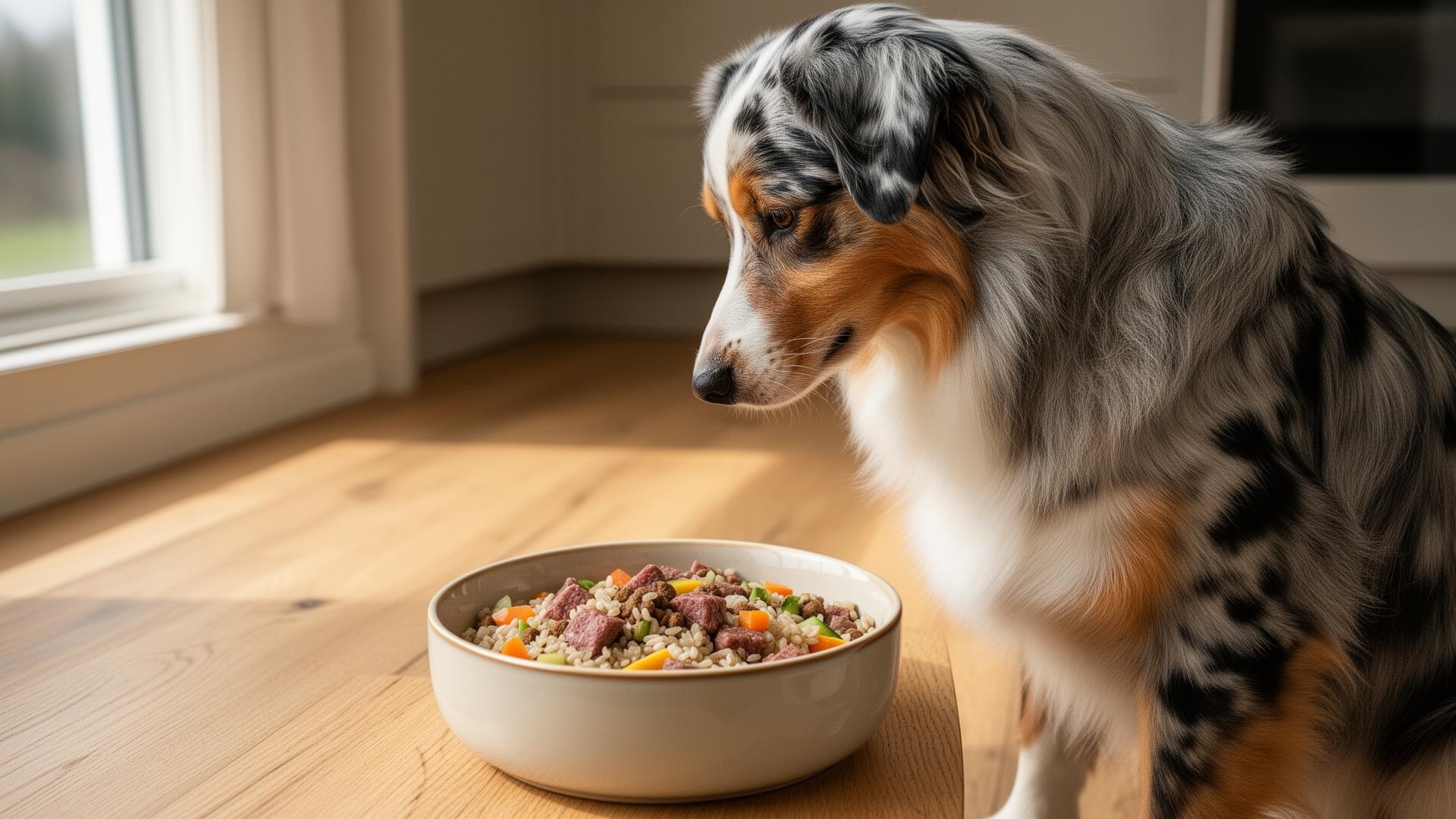
A randomized crossover study published in Frontiers in Veterinary Science fed 24 healthy dogs either a minimally processed fresh diet or standard extruded kibble, then measured what happened inside them. The differences appeared within weeks — and they were measurable.
Stand in the pet food aisle for long enough and you will feel the pull of two contradictory certainties: that the $7 bag of kibble your dog has eaten for years is probably fine, and that the refrigerated roll of fresh food is probably better. A study published in April 2026 in Frontiers in Veterinary Science is the most rigorous attempt yet to answer which of those feelings is correct — and what 'better' actually means inside a dog's body.
A study designed to separate processing from ingredients
The most common problem with nutrition research is that diets vary on too many dimensions at once: different proteins, different fat percentages, different calorie densities. Campbell et al.'s 2026 Frontiers study, reported by PawPulse and covered widely in the veterinary press, set out to isolate one variable in particular: how much the food was processed, not what was in it.
Twenty-four healthy adult pet dogs were enrolled in a randomized crossover design. For one week they ate their regular at-home diet as a baseline, then were switched — half to a mildly cooked, minimally processed diet (whole muscle meat, organ meat, vegetables, grains, minimal additives), and half to a standard extruded kibble. After two weeks on one diet, the groups switched to the other. Both diets met established nutritional standards. Both were matched for calories. The only meaningful difference was how the food had been made.
The researchers collected blood samples before and after meals and twelve fecal samples from each dog across the trial. One dog was removed due to an unrelated health complication; 23 dogs completed both periods. Twenty-three dogs, two diets, months of samples — and the results were not subtle.
What changed in the dogs
Dogs on the minimally processed diet showed distinct blood metabolite profiles. The shifts were visible in amino acid and lipid markers — proxies for protein quality and fat absorption — that diverged meaningfully from the kibble group within the two-week window. Their gut microbiome also shifted: higher relative abundance of fiber-fermenting bacteria associated with the production of short-chain fatty acids, the same compounds that support colon health and modulate inflammation.
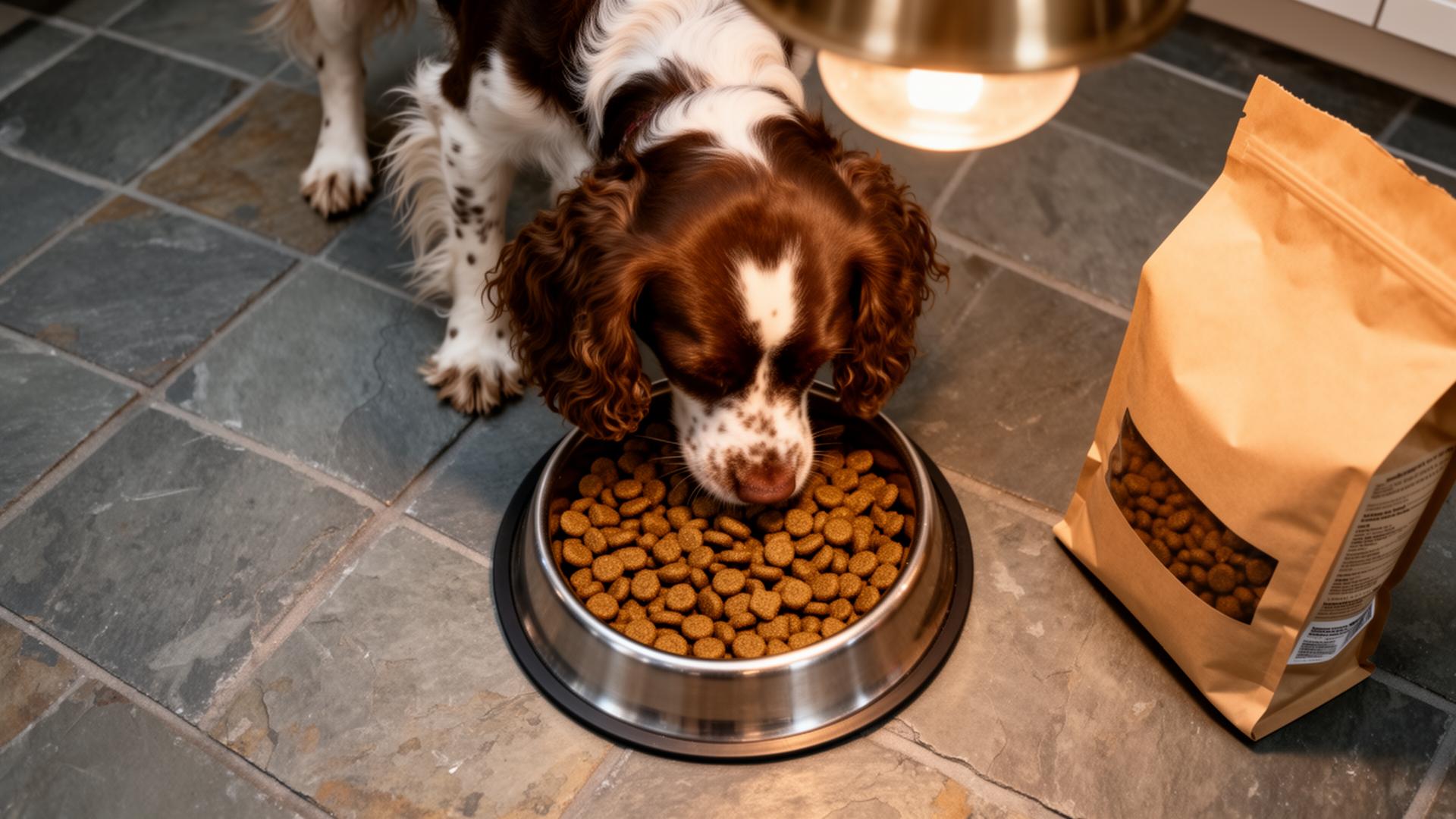
The kibble-fed dogs were not sick. Both diets met complete nutritional requirements. But their microbial communities leaned toward bacterial groups more characteristic of a high-starch, heat-processed input. The fecal characteristics were also different — consistent with more efficient nutrient absorption in the fresh-fed group. The word the researchers and commentators returned to again and again was 'distinct.' Not better by every measure, not harmful on either side, but genuinely and measurably distinct.
Why the gut microbiome matters beyond digestion
The gut microbiome is not just a digestion engine. It communicates with the immune system, produces vitamins, regulates inflammation pathways, and increasingly appears to influence brain function and behavior. Research into the canine gut-brain axis — a growing area since the Dog Aging Project began generating large population-level microbiome data — has shown that the bacterial communities in a dog's gut have downstream effects that extend well beyond the colon.
The latest gut-brain axis science shows that the microbiome actively communicates with the brain through metabolites, immune and neural pathways — underscoring the axis as a clinically actionable pathway rather than a theoretical concept.
— Dr. Julia Albright DVM, MA, DACVB, Purina Institute Microbiome Forum, May 2026
This is the context that makes the Campbell et al. findings significant beyond the scope of any single meal. When a diet consistently feeds one community of microbes over another for months or years, those downstream effects compound. A two-week crossover study can't measure lifespan outcomes. But it can show that the internal environment is different — and that it becomes different quickly.
Does this mean kibble is bad?
No. The study does not show kibble caused disease, and the kibble-fed dogs in the trial were healthy throughout. Millions of dogs eat dry food their entire lives without apparent issue. What the study shows is more specific than that: fresh, minimally processed diets produce a measurably different internal environment, and several of the markers that shifted are ones researchers associate with favorable health outcomes.
The distinction matters. 'Different' is not the same as 'better' in every context for every dog. An older dog with kidney disease may need very precise nutrient control that a commercial fresh diet makes harder to guarantee. A dog doing well on kibble for a decade may have a gut microbiome that is perfectly calibrated to kibble. The study identifies a pattern, not a prescription.
The experimental diets resulted in distinct physiological and gut microbiome responses — the shifts showed up within just a few weeks.
— Campbell et al. (2026), Frontiers in Veterinary Science
Who benefits most from switching, and how
The dogs most likely to see meaningful change are those with sensitive stomachs, recurring soft stools, or coat and skin issues tied to chronic low-level inflammation. Dogs who carry a little extra weight may also respond, since the fiber-fermenting bacterial shift can support better satiety signaling. Working dogs with high physical demands — those doing long daily walks or agility training — may find more highly digestible protein worth the cost.
If you want to try a partial switch, the practical advice from nutrition researchers is consistent: change slowly (seven to ten days minimum), replace no more than 20-30% of kibble to start, and look at the markers that actually change in front of you — stool quality, coat, energy across the day. Snap a photo of your dog's body condition once a week. Real change is easier to see in retrospect than in the moment.
Processing as a hidden variable
The deeper implication of the 2026 Frontiers study is methodological. For years, pet food research focused almost entirely on ingredients: how much protein, how many grams of fat, which vitamins. The Campbell et al. crossover design shows that two diets can match on all those measures and still produce different outcomes — because how food is made is itself a nutritional variable, separate from what's in it.
That matters for how we think about any pet food label. The ingredient list tells you what went in. It doesn't tell you how the extruder changed it, which bacterial populations those ingredients will feed, or how the resulting metabolic environment differs from food that was gently cooked at low temperatures and kept cold. The 2026 study is a first careful look at that gap. There will be larger and longer studies to come.
The bowl question, today
You don't need to feel guilty about the kibble in your pantry. But if your dog has been on the same dry food for years and you've wondered whether their slightly dull coat or unreliable energy is just age — or whether it might be the gut — the 2026 Frontiers data is the most precise nudge yet to try something different. Slowly, partially, and with your vet in the loop. And then watch what changes on the morning walk.