Can Exercise Slow Your Dog's Mental Aging? New Science Says It Might
Doges Editorial · 2026-05-06 · 7 min read
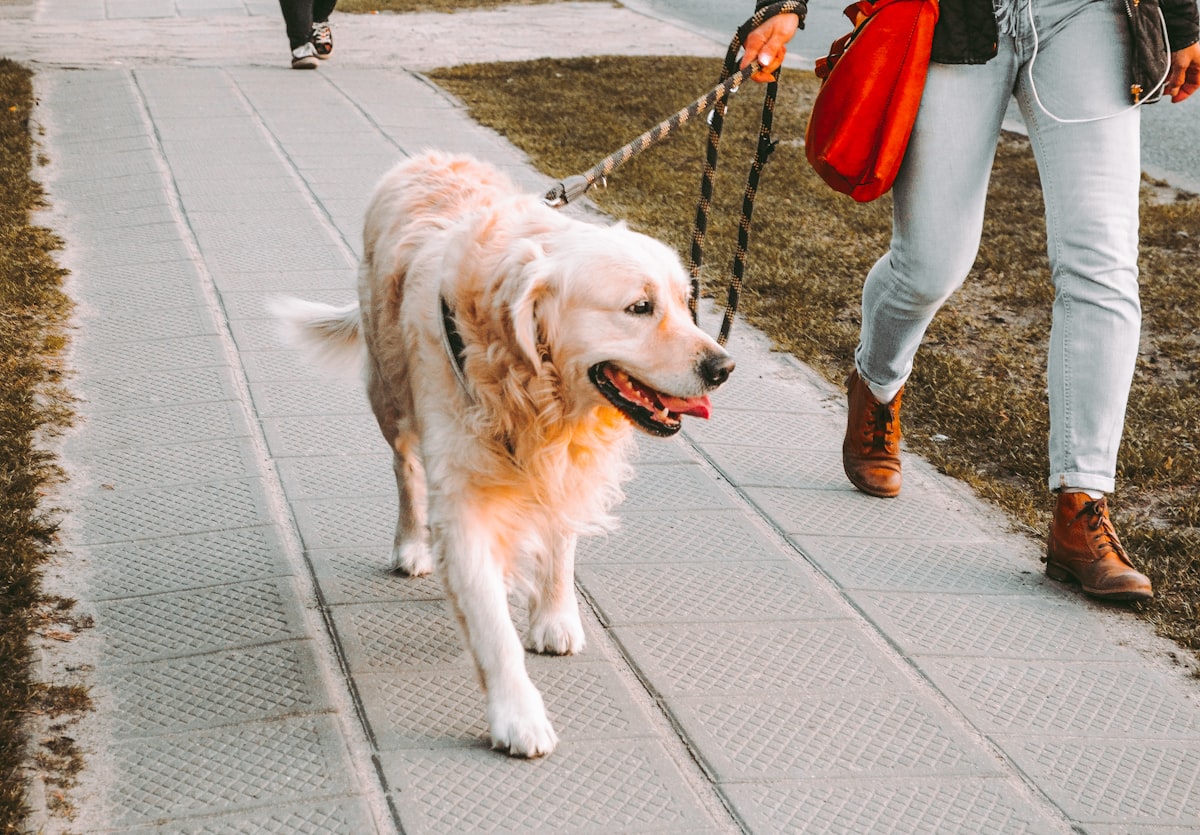
A 2026 Frontiers in Veterinary Science review examined the link between physical activity and canine cognitive dysfunction — the dog equivalent of dementia. The findings have real implications for how we care for aging dogs, and surprising echoes for human medicine.
The Conversation No One Wants to Have
There comes a day, for many dog owners, when they notice something different. Their dog pauses in a familiar hallway as if unsure where it is. It stares at a wall. It wakes at 3 a.m. and seems confused by the darkness. It doesn't greet them at the door the way it always did. These are not small things. They are often the first signs of canine cognitive dysfunction — and they are more common than most people realize.
CCD, sometimes called canine dementia, is a neurodegenerative condition that mirrors human Alzheimer's disease in its biology and progression. It affects an estimated 14 to 35 percent of dogs over the age of eight, with prevalence rising sharply as dogs enter their double-digit years. A new review published in Frontiers in Veterinary Science in 2026 examined one of the most promising tools available for slowing it: regular physical exercise.
What Cognitive Dysfunction Actually Looks Like
The clinical signs of CCD are grouped under the acronym DISHA — disorientation, altered interactions with people or other animals, sleep-wake cycle disturbances, house soiling, and changes in activity level. Not every dog shows all of them. Some begin with just one or two disrupted behaviors; others move through the full spectrum over months or years.
What makes CCD particularly hard to catch early is that many owners attribute the changes to just getting old. A dog that sleeps more, moves more slowly, seems less enthusiastic about play — those things look like normal aging. And sometimes they are. But when they accompany confusion, repetitive behaviors, or a dog that seems to have forgotten things it knew for years, the picture shifts.
Veterinarians use standardized assessment tools, such as the Canine Cognitive Dysfunction Rating Scale, to help quantify what is happening and distinguish CCD from other age-related conditions — arthritis pain, hypothyroidism, hearing loss — that can produce similar behavioral changes. The earlier CCD is identified, the more options remain available.
The Exercise Connection
The Frontiers review analyzed research across multiple studies examining how physical activity affects the brain health of aging dogs. The evidence points consistently in one direction: dogs that engage in regular, moderate exercise show lower rates of cognitive dysfunction diagnosis and slower progression when dysfunction does occur.
Regular aerobic exercise was associated with significantly reduced odds of CCD diagnosis and with measurably slower cognitive decline in affected dogs across multiple study cohorts reviewed.
The mechanisms are multiple and well-characterized. Exercise promotes neurogenesis — the growth of new neurons — in brain regions associated with memory and spatial navigation. It reduces the systemic inflammation that accelerates neurodegeneration. It improves cerebrovascular circulation and maintains the sleep-wake cycles whose disruption is both a symptom and an accelerant of cognitive decline. It also supports production of neurotrophic factors that protect and repair brain tissue. A walk, in other words, is doing something inside a dog's skull that no pill currently replicates.
Why Novel Environments Matter More
Not all exercise is equivalent, and this distinction may be the review's most practically useful finding. Activities that combine physical movement with cognitive engagement — walks in novel environments, scent-based games, activities requiring problem-solving — appear to confer greater neuroprotective benefit than repetitive exercise in familiar settings.
Activities combining physical exertion with sensory novelty appear to confer greater neuroprotective benefit than repetitive exercise in familiar settings — the brain, like the body, responds most to being asked to do new things.
The logic is straightforward once stated: a walk around the same block every day asks the dog's brain to process the same information it has already processed hundreds of times. A walk through a park where new smells require active parsing and investigation engages the cognitive systems that keep the relevant brain structures active and healthy. Vary the route. Let the dog investigate things it hasn't smelled before. The brain needs the stimulation as much as the legs need the movement.
What This Means for Daily Walks
The practical implication is clear: regular walks are not just physical maintenance for your dog. They are neurological maintenance. Every time your dog steps outside and puts its nose to work — parsing the scent of a passing animal, mapping the changed smells of a yard it visited last week, tracking the invisible history written into a patch of grass — it is running cognitive processes that keep the relevant brain systems active and healthy.
This is true at every age, but it becomes more important as dogs grow older. Owners of senior dogs sometimes reduce walk frequency and duration out of concern for joints or stamina. The research suggests this trade-off is worth examining carefully. While physical limitations are real and should be respected, the cognitive cost of reduced activity is also real. A shorter, gentler walk may be better than no walk at all.
The addition of sniff-focused activities — letting the dog lead on a long line, playing nose-work games at home, using puzzle feeders — provides cognitive stimulation that can supplement physical exercise, particularly on days when weather or health makes longer walks difficult.
The Deeper Parallel
One reason researchers in this field are particularly motivated is that canine CCD is genuinely valuable as a model for human Alzheimer's. Dogs develop the same characteristic amyloid plaques in the brain. They share our environments and many of our lifestyle factors. They age on an accelerated timeline that makes longitudinal studies significantly faster to run. And unlike laboratory mice, they are living real lives in real homes, making the findings more ecologically valid.
If exercise protects the aging dog brain from cognitive decline, the same mechanisms are almost certainly at work in aging humans. And if it works in humans, then every person who walks their dog every morning is, in a very real sense, running an experiment in preventive neuroscience on both ends of the leash.
What to Do Starting This Week
Talk to your vet about what pace and duration make sense for your dog specifically. If there are joint issues, shorter walks on grass or dirt may be gentler than pavement. Swimming, where available, provides low-impact cardiovascular exercise while still delivering environmental stimulation and novelty. The goal is not peak athletic performance — it is consistent, regular engagement with the world.
The good news embedded in this research is that the intervention is not complicated or expensive. You do not need supplements or specialist equipment. You need the door opened at roughly the same time every morning. You need a nose allowed to investigate at its own pace. You need the world, offered regularly, in manageable doses.
The Frontiers review also examined the role of owner behavior in shaping the cognitive aging trajectory of their dogs. Dogs whose owners maintained regular walk schedules into the dog's senior years showed markedly better cognitive outcomes than those whose activity decreased significantly after age seven. The authors note that this creates a shared-fate dynamic: owner health and consistency directly influence dog brain health, and dog brain health in turn influences owner behavior. A cognitively engaged dog keeps its owner active; an active owner keeps the dog cognitively engaged.
One of the more striking findings concerns the relationship between cognitive enrichment and the onset of visible CCD symptoms. Dogs in the study cohorts who were engaged with novel stimuli — new routes, new scent games, new social interactions with other dogs and people — showed a measurably longer gap between the earliest measurable brain changes and the first behavioral symptoms of decline. The pathology may begin at a similar time, but the behavioral reserve built through enrichment appears to delay when those changes become apparent. This mirrors the concept of cognitive reserve documented in human aging research.
For owners of breeds with higher CCD prevalence — small breeds and some larger ones tend to show higher rates of diagnosis — the review suggests beginning environmental enrichment programs well before any symptoms appear. Prevention is significantly more effective than intervention. Building the habits of varied walks, novel experiences, and regular physical activity in a dog's middle years creates the neurological reserve that may delay or reduce the severity of decline later. The time to start is not when you notice something wrong. It is well before.
Dogs living in multi-dog households showed slightly different CCD patterns than single-dog homes, with some evidence of a social engagement effect — the presence of another dog appears to provide cognitive stimulation even at rest, through ongoing social reading and low-level interaction. For owners of senior dogs living alone, this is one argument for regular social contact with other dogs through parks, daycare, or arranged playdates with known dogs, even when the senior dog's energy for active play has decreased.
Source: Frontiers in Veterinary Science, DOI: 10.3389/fvets.2026.1833531, 2026.