Meet the Dogs Britain Keeps Overlooking — and Why They're Worth the Wait
Doges Editorial · 2026-06-06 · 5 min read
DOGES
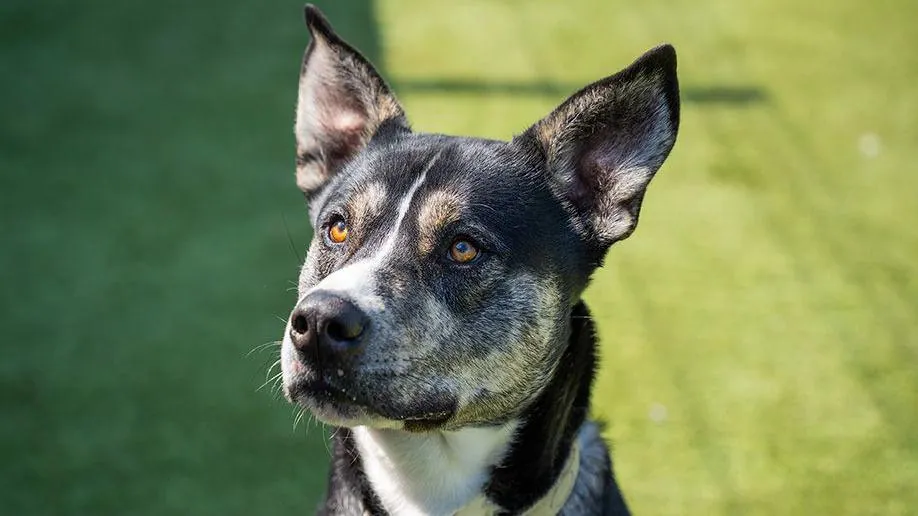
Brian the husky spent 579 days waiting for a family. Hartley the hound has waited nearly a year. They're called 'underdogs' — the shelter dogs who get passed over, often for the most unfair reasons imaginable.
Brian had been waiting for 579 days. That's sixteen months — roughly the time it takes a puppy to grow into a full-sized adult dog. While other dogs at the Bath Cats and Dogs Home came and went, some in days, some in weeks, Brian the husky-type stayed. He wasn't difficult. He wasn't aggressive. He just happened to be the kind of dog that gets overlooked: large, a little older than a puppy, not immediately what most people picture when they close their eyes and imagine their ideal pet.
What Makes a Dog 'Hard to Home'?
Rescue centres across Britain use the word 'underdog' to describe the dogs who wait longest for a family. There's no single definition, but the profile is remarkably consistent. Underdogs tend to be large — 47% of the hardest-to-rehome dogs are big-bodied breeds. They tend to sit in that difficult adolescent window between puppy energy and adult calm. And they tend to carry labels that, fairly or not, make potential adopters hesitate before they've even met the animal.
The average rescue dog in the UK waits about 58.5 days for a new home. For underdogs, that number climbs far higher. At the Salisbury branch of Dogs Trust, a four-year-old large hound named Hartley has been waiting for just under a year. His kennel staff adore him. He'd be brilliant with the right family. But something about the combination of size and age and breed keeps people from taking that first step through the door.
Brian's 579 Days
Brian's story stands out, but not because it's unusual — it stands out because he eventually found his home, and because the gap between who these dogs actually are and how they're perceived is so painfully stark. Husky-type dogs often arrive in rescues because people fell for the aesthetic without fully understanding the breed: the energy requirements, the vocal nature, the independent spirit that makes them magnificent but demanding. By the time a husky ends up in a shelter, he's already carrying the weight of other people's unpreparedness.
Many of the behaviours we see in adolescent dogs — pulling on the lead, jumping up, selective hearing — are not signs of defiance, but of inconsistent training and structure. These dogs aren't bad dogs. They just need someone who's going to show up consistently.
— Nicky Charman, behaviour and training manager, Bath Cats and Dogs Home
The Numbers Behind the Wait
At the Bath Cats and Dogs Home, around 70% of dogs coming through the door are between six months and two years old — that adolescent window when dogs are simultaneously most energetic, most challenging to train, and most likely to have been surrendered by owners who weren't prepared for what adolescence actually looks like in a dog.
This creates a cruel irony. The age group that most needs patient, consistent handling is also the age group most likely to bounce between shelters. And because adolescent dogs are harder work than either puppies or settled adults, they often get passed over in favour of older, calmer dogs — who then also wait longer because adopters overlook them in favour of puppies. The shelter merry-go-round keeps spinning.
Art That Changes Minds
One of the more unexpected recent efforts to shift public perception of shelter dogs comes not from a training manual but from a sketchbook. Harriet Lowther, an illustrator based in Chiseldon, has been creating fashion-inspired artwork for Battersea Dogs & Cats Home — turning shelter dogs into the subjects of the kind of elegant, striking portraits usually reserved for high-end fashion campaigns. The project gives overlooked dogs a completely different kind of visibility, one that strips away the kennel context and lets people simply see the animal.
It's a small thing, in some ways. But perception shapes behaviour, and anything that makes a potential adopter pause and actually look at a dog they'd have scrolled past is worth something real.
What Rescues Really Want You to Know
We do often find a lot of cats and dogs coming into us because of their age, appearance, or unfair stereotypes. Our team works really hard to match each animal with the right person — but sometimes we just need people to be open to meeting a dog they hadn't already pictured.
— Sorrel Magenta, rehoming manager, Battersea Dogs & Cats Home
This is the central ask from every rescue centre working with underdogs: come in without a fixed image. Don't arrive having already decided you want a specific colour, a specific size, a specific age. Walk the kennels. Spend time with the dog that makes eye contact. Let the match happen, rather than forcing a pre-existing vision of what your dog should look like.
Could an Underdog Be Your Perfect Dog?
The case for adopting an underdog is, paradoxically, often stronger than the case for adopting the most immediately appealing dog in the shelter. The most popular dogs — young, small, instantly photogenic — get snapped up regardless of temperament. The underdogs have been assessed more thoroughly, handled more, evaluated across a longer period of time. The rescue staff know them. That knowledge transfers to you the moment you take one home.
Brian found his family. Hartley is still waiting. Somewhere in a shelter near you, there is almost certainly a dog like them — patient, affectionate, full of the specific kind of loyalty that dogs develop when they've waited long enough to understand that the right person is worth waiting for.